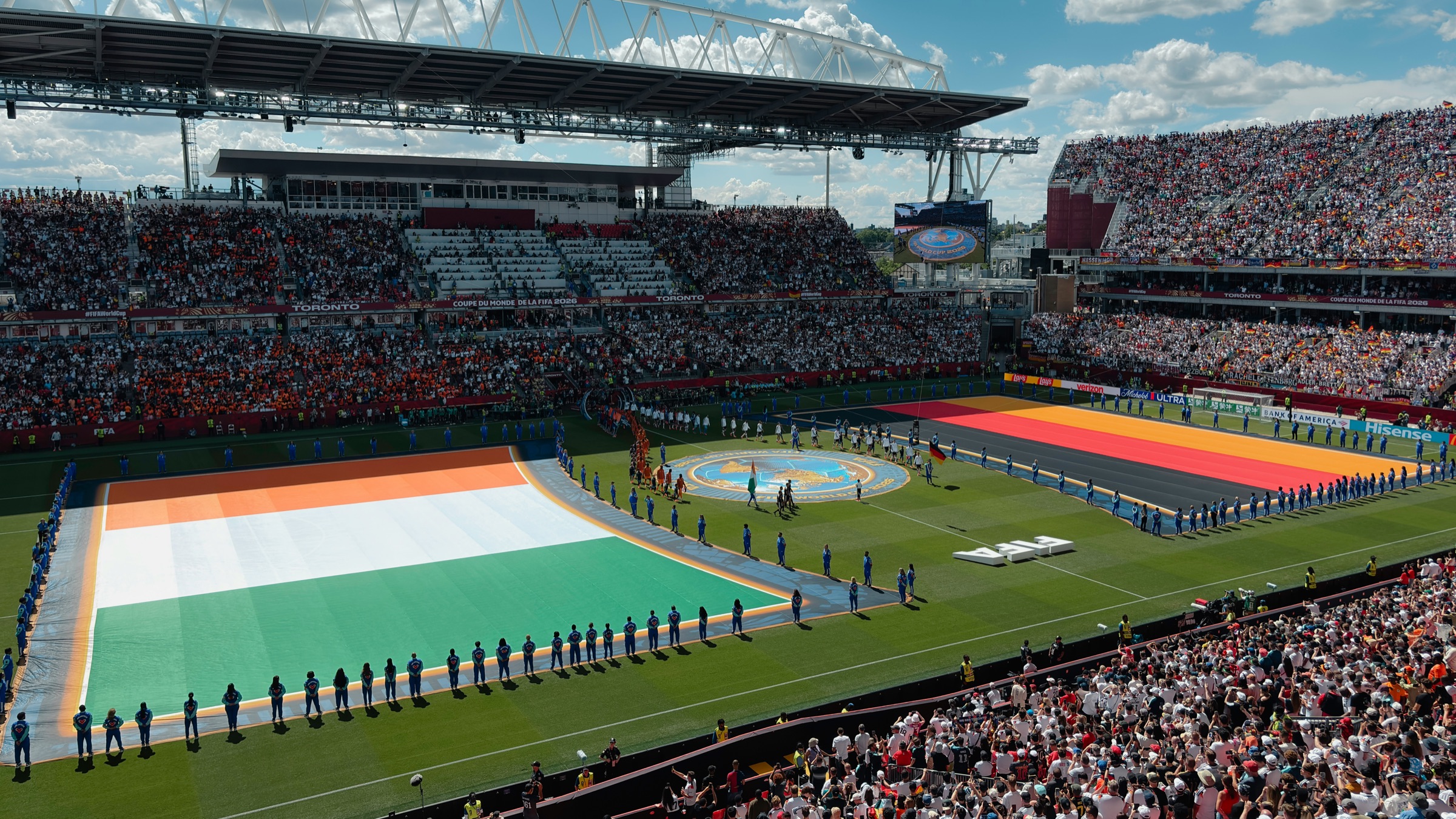
A comprehensive analysis of the projected global economic impact of over USD 40 billion and the actual proportion captured by Mexico and the regional services sector.
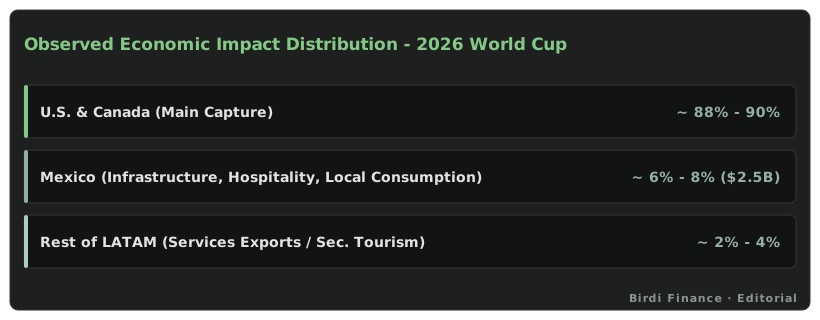
Initial projections from FIFA and various economic research centers yielded an impressive figure: the 2026 FIFA World Cup would generate an aggregate global economic impact exceeding USD 40 billion. However, when macroeconomic figures are broken down and the territorial distribution of capital is analyzed, a crucial question arises for Latin American markets: how much of that astronomical sum actually flowed into the region's emerging economies?
Although official rhetoric celebrated the tripartite tournament as a triumph of hemispheric integration, the financial snapshot shows that capital concentration remained overwhelmingly in the north of the continent, leaving Mexico and the rest of Latin America with a modest share and structural challenges to overcome.
Capturing Value: Concentration vs. Asymmetry
Of the enormous amount of capital projected globally, the overwhelming majority of commercial revenue, broadcasting rights, corporate sponsorships, and high-value technological infrastructure remained in the United States.
In the case of Mexico (the only Latin American country with active venues in Mexico City, Guadalajara, and Monterrey), data compiled by Deloitte and reports from the Bank of Mexico (Banxico) indicate that the total economic impact reached approximately USD 2.543 billion (equivalent to about 0.12% of the national GDP). While this is a significant figure in absolute terms, it represented a result 7% below the previous estimates projected before the tournament.
The Flight Mechanism: The Architecture of Capital in Mega-Events
To understand why Latin America captures only a marginal fraction of the traded volume, it is necessary to analyze the profit repatriation structure that governs agreements with FIFA. Much of the added value generated by a World Cup does not circulate permanently through the host country's local banking channels, but rather takes the form of speculative capital or direct corporate transfers abroad:
-
Broadcasting Rights and Global Sponsorships: Approximately 50% to 60% of total revenue comes from broadcasting licenses and global sponsors (FIFA Partners). These funds are invoiced and processed through the entity's parent company and its international subsidiaries, without paying taxes or injecting direct liquidity into the regional financial system.
-
Mandatory Tax Exemptions: Contractual requirements stipulate exemptions from income tax, value-added tax, and import duties for operations related to the event. This drastically reduces the potential for tax revenue return for the local public treasury.
-
Outflow of Foreign Currency Due to Imported Inputs: Much of the advanced technological equipment (screens, 5G telecommunications, cybersecurity, and ticketing systems) was imported from multinational companies, generating a net outflow of foreign currency that offset the income from tourism.
Anatomy of the Spillover Effect in the Services Sector
Analysis by economic sector allows us to precisely identify where the "spillover effect" worked and where it ran up against market realities:
-
Food and Retail (The Net Winners): Food was the pillar that benefited most in Mexico with additional sales of USD 584 million, while retail reached USD 433 million, exceeding initial expectations driven by mass consumption and the sale of licensed products.
-
Accommodation and Transportation (Below Target): With a spillover effect of USD 328 million in accommodation and USD 223 million in transportation, both sectors fell short of pre-tournament forecasts. Phenomena such as dynamic pricing schemes for tickets and accommodations slowed the overall flow of foreign visitors.
-
Regional Temporary Employment: Job creation in Mexico reached 101,255 temporary positions, a respectable figure but 10% lower than the projected target.
At the regional level in Latin America, the services sector (software technology, audiovisual production, logistics consulting, and communications) captured indirect cross-border contracts, but without achieving sufficient leverage to alter national balance of payments.
Regional Breakdown in Mexican Host Countries
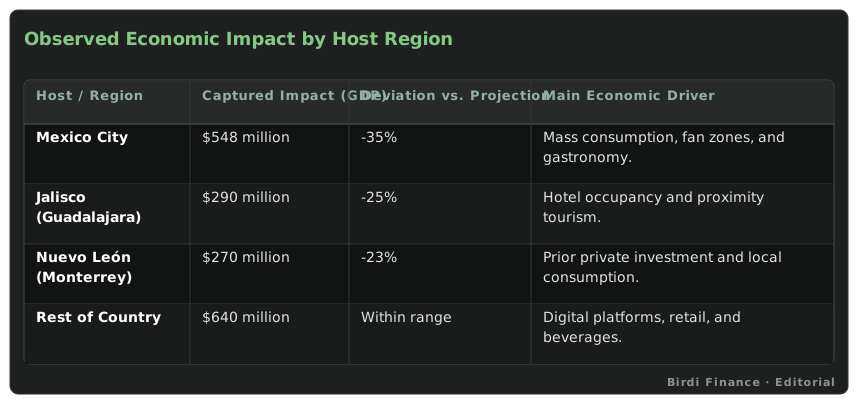
The macroeconomic lesson is clear: mega-events in developing countries generate pockets of localized liquidity, but do not replace the structural reforms necessary to attract permanent foreign direct investment (FDI).
The Secondary Impact on the Rest of Latin America
Although the matches were not played in South or Central America, the "shockwave effect" was felt differently across the regional economy:
-
Rebound Tourism or Stopovers: Highly connected cities like Bogotá, San José (Costa Rica), and Cancún acted as temporary stopover hubs for intercontinental tourists. However, visa gaps and airfare costs prevented this influx from translating into extended stays.
-
Export of Knowledge-Based Services (KBS): Technology, design, digital marketing, and cybersecurity companies located in Argentina, Colombia, and Uruguay secured subcontracting agreements with international agencies, demonstrating that digital infrastructure allows companies to capture value without the need for physical offices.
-
FINTECH Network Alignment: The accelerated adoption of digital wallets and cross-border payment gateways facilitated consumer remittances and purchases of entertainment goods from the Southern Cone, marking a structural advance in the region's financial inclusion.
Lessons for Attracting Investment in LATAM
For Latin America to take advantage of future global mega-events and maximize capital retention, governments and the private sector must adjust their investment attraction models around three strategic pillars:
-
Avoiding Oversupply of Prices: The aggressive dynamic pricing model contracted the influx of regional mass tourism. Maintaining affordable prices guarantees a greater volume of consumption distributed throughout the local economy.
-
Local Production Linkages: Require technology transfer clauses and mandatory contracting of local SME suppliers in commercial concessions for events. 3. Integration with the FINTECH sector: Facilitate the interoperability of cross-border payment methods to more efficiently capture spending from visitors to the region.
Final Assessment
The World Cup in North America reaffirmed a fundamental law of the international economy: capital concentrates where the capture infrastructure is strongest. Mexico and the Latin American services sector managed to absorb a valuable portion of liquidity, but far from the massive spillover promised in enthusiastic speeches. The true gain for the region lies not in the temporary revenue generated during a month-long tournament, but in the ability to transform operational lessons learned and inherited infrastructure into a lasting productivity asset.
Sources
-
Deloitte Spanish Latin America: Study “What happens after the World Cup? The economic impact on businesses” (July 2026).
-
Bank of Mexico (Banxico): Reports on balance of payments, international tourism and domestic consumption 2026.
-
Inter-American Development Bank (IDB): Analysis of macroeconomic impact and production linkages in Latin America.
-
FIFA Financial Reports: Studies projecting the global economic impact of the FIFA World Cup.