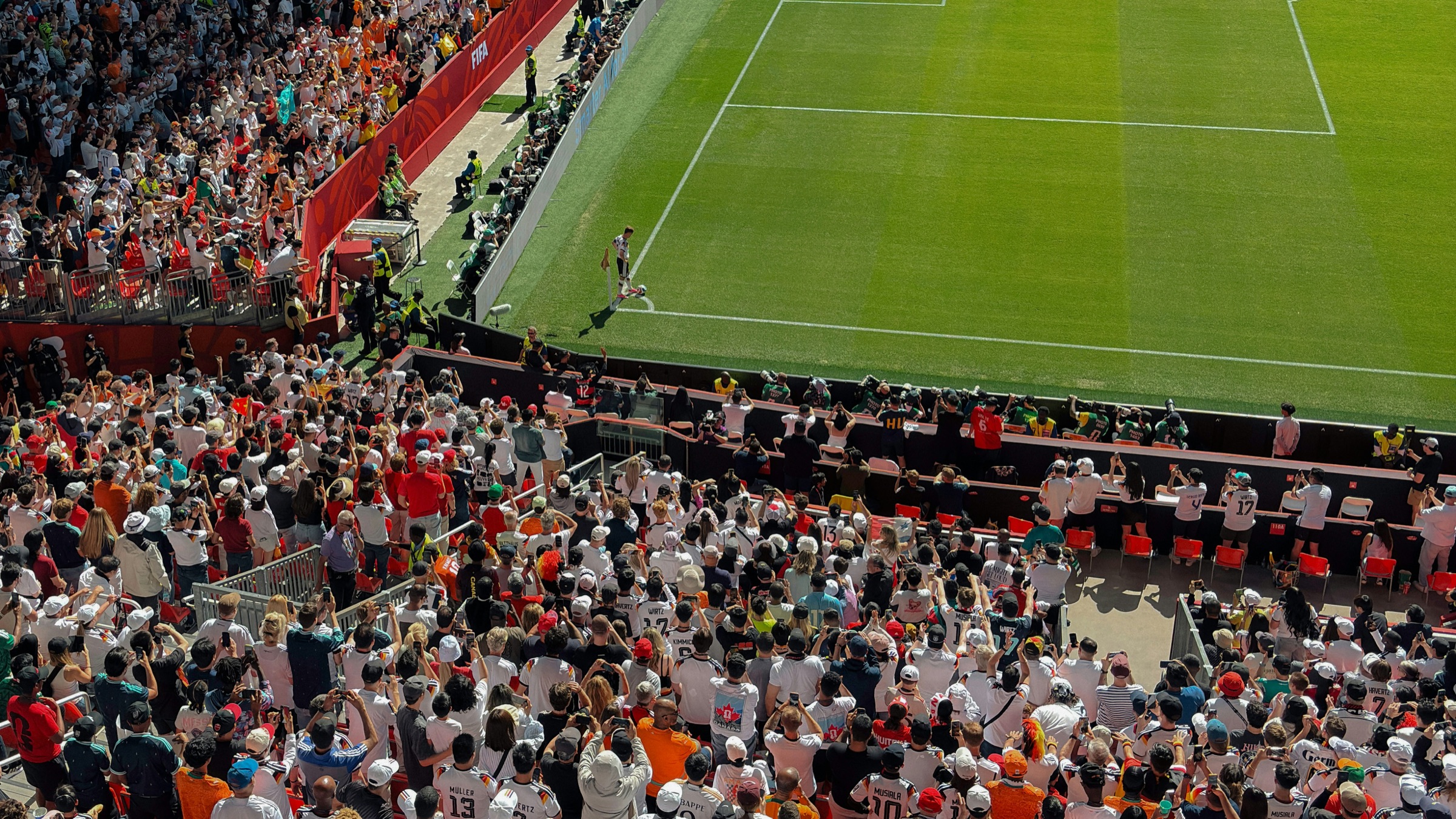
The temporary spikes in tourism and consumption driven by the World Cup should not be confused with sustainable development. For Latin America, true economic success will depend on the subsequent use of the digital and physical infrastructure created. Every four years, the narrative is repeated with surgical precision: hosting the FIFA World Cup is the ultimate catalyst for boosting GDP, modernizing cities, and catapulting domestic consumption. However, when the stadium lights go out and the pennants are taken down, the host economies face a harsh macroeconomic hangover. The enthusiasm of the moment often blinds decision-makers and analysts, confusing the fleeting euphoria of sales with a true engine of long-term growth.
A comparative analysis of recent editions offers a compelling lesson: consumption during the event is a temporary mirage; the real return on investment (ROI) is determined in the decade that follows.
The Illusion of Temporary Peaks
During the 30 days of competition, short-term metrics show dazzling figures. The retail, hospitality, and tourism sectors register record-breaking sales peaks:
-
Aggregator Effect: Restaurants, streaming platforms, television sales, and brand licensing experience massive injections of liquidity.
-
High-Volatility Tourism: This generates an intensive influx of foreign currency, which temporarily appreciates the local currency and saturates hotel capacity.
However, economic evidence demonstrates that these spikes are, for the most part, spending substitutions: the money that citizens spend on sports entertainment is usually subtracted from the budget allocated to other durable goods or savings. After the final whistle, private consumption quickly returns to its inertial trend. Various academic publications from the NBER (National Bureau of Economic Research) and analyses from the International Chamber of Commerce (ICC) repeatedly point out that mega-events rarely generate a net increase in GDP in the long term, often leaving behind a fiscal landscape weakened by the public debt incurred by the organizers.
Lessons from the Past: Brazil 2014 and Qatar 2022
To understand the magnitude of the challenge ahead, one need only compare recent models based on reports prepared by institutions such as the IDB (Inter-American Development Bank) and the World Bank Group:
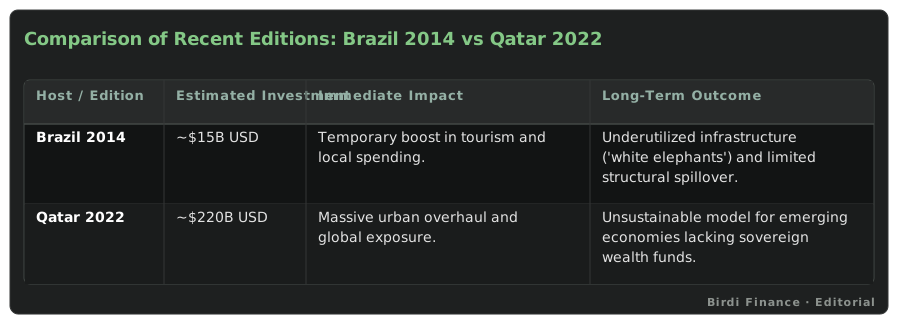
In the Latin American case, Brazil 2014 demonstrated the danger of concentrating spending on passive infrastructure: monumental stadiums in cities like Brasilia or Cuiabá without first-division teams, which today represent a maintenance cost higher than the revenue they generate—a phenomenon widely documented in the financial statements of the Brazilian Federal Court of Accounts (TCU).
The latent danger for developing economies is not spending a lot, but confusing the operational expenses of an event with productive investment for the nation.
The Challenge for LATAM: From Brick to Bit
Faced with the scenario of large international events and co-organization in the region, the economic focus must shift from concrete to connectivity. Physical infrastructure (roads, airports, and urban transport) remains relevant, but it is in digital infrastructure where true competitiveness is defined today.
According to recommendations from ECLAC (Economic Commission for Latin America and the Caribbean), for Latin America to transform these consumption peaks into sustainable development, the investment strategy must prioritize three pillars:
-
Guaranteed urban reuse: Design venues and public spaces with signed commercial and cultural operational plans before laying the first stone.
-
Next-generation networks and connectivity: Leverage the deployment of 5G networks, cybersecurity, and data infrastructure required for the event as a permanent technological leap for local industry. 3. Integration of regional value chains: Ensure that micro, small, and medium-sized enterprises (MSMEs) in logistics, technology, and services are not merely spectators, but integrated suppliers that acquire export capabilities.
The final score
The return on investment of a mega sporting event isn't measured by the trade balance for the month of the tournament, nor by the number of visitors who filled the stands. It's measured by the additional productivity that cities manage to generate five or ten years later.
If Latin America continues to evaluate the success of these tournaments through the lens of immediate consumption in bars and supermarkets, it will continue to fall into the same fiscal trap. The true macroeconomic victory lies not in throwing an unforgettable party for the world, but in ensuring that, when the guests leave, the country is equipped to compete in the 21st century.
Sources
-
Inter-American Development Bank (IDB):**https://www.iadb.org/.
-
Economic Commission for Latin America and the Caribbean (ECLAC):**https://www.cepal.org/.
-
National Bureau of Economic Research (NBER): Working Papers on the Economics of the World Cups and Olympic Games (https://www.nber.org/).